
Introduction
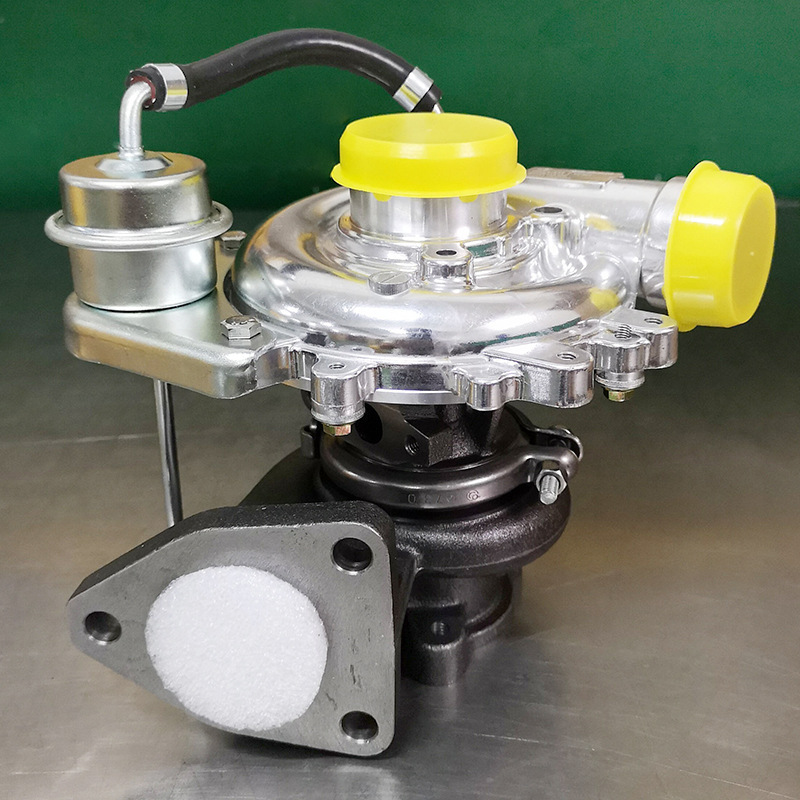
A turbocharger system is a forced induction technology that improves engine efficiency and power output by utilizing exhaust gas energy.
Instead of increasing engine displacement, turbocharging increases air density, allowing more fuel to be burned efficiently inside the combustion chamber.
This technology is widely used in passenger vehicles, trucks, and industrial engines.
1. Turbocharger System Working Principle
The turbocharger consists of two main components:
· Turbine side (driven by exhaust gas)
· Compressor side (compresses intake air)
Working process:
1. Exhaust gas enters turbine housing
2. Turbine wheel rotates at high speed
3. Shaft connects turbine and compressor
4. Compressor draws ambient air and compresses it
5. Compressed air is cooled by intercooler
6. Dense air enters engine combustion chamber
2. Key Components of Turbo System
· Turbocharger assembly
· Compressor wheel
· Turbine wheel
· Intercooler
· Wastegate valve
· Oil lubrication system
· Intake & exhaust manifold
· Boost control system
3. Why Intercooler Is Important
Compressed air increases temperature, which reduces oxygen density.
The intercooler:
· Lowers intake air temperature
· Increases air density
· Prevents engine knocking
· Improves combustion efficiency
4. SEO SECTION: Common Turbocharger Failures & Diagnosis
1. Low Boost Pressure / Power Loss
Possible causes:
· Air intake leakage
· Damaged compressor wheel
· Wastegate malfunction
· Clogged air filter
2. Blue Smoke (Oil Burning)
Root causes:
· Turbo oil seal failure
· Oil starvation
· Excess crankcase pressure
3. Abnormal Noise (Whistling or Grinding)
· Bearing wear
· Rotor imbalance
· Compressor wheel contacting housing
4. Overboost Condition
· Wastegate stuck closed
· Boost control system failure
5. Turbo Lag
· Restricted airflow
· Carbon buildup
· Reduced turbine efficiency
5. Maintenance Recommendations
To extend turbocharger lifespan:
· Use high-quality engine oil
· Avoid immediate shutdown after high load
· Replace air filters regularly
· Check boost system sealing
· Ensure proper oil pressure supply
Conclusion
Turbocharging is a key technology in modern engine systems, delivering higher efficiency, better performance, and lower emissions.
Understanding its structure and failure modes is essential for maintenance, repair, and procurement decisions.